What determines the price of a work of art? And how can collectors know whether they’re paying a fair price?
The art market is often seen as opaque, especially when it comes to pricing. It can be overwhelming to browse platforms like Artsy, search for an artist such as Damien Hirst and find thousands of works available, without knowing where to start or what represents a good price. Or the opposite can be true: you might be looking at an artist with very few works available, making it difficult to find comparable prices, particularly when only one or two galleries are offering their work.
Artwork valuation is influenced by a combination of factors, including the artist’s reputation, condition, rarity and demand from collectors. Provenance and exhibition history can become increasingly important with older and more valuable works. But understanding how these elements translate into a price requires looking beyond the artwork itself and considering the wider market.
Auction Results vs Gallery Prices
Auction results are a useful reference point, but they don’t tell the whole story. Prices can fluctuate depending on the timing of a sale, the number of interested bidders, the condition of the work and the level of demand at that particular auction. Additional costs, such as buyer’s premiums, VAT and other fees, can also affect the final price paid. As a result, a single auction result rarely provides a definitive measure of an artwork’s value.
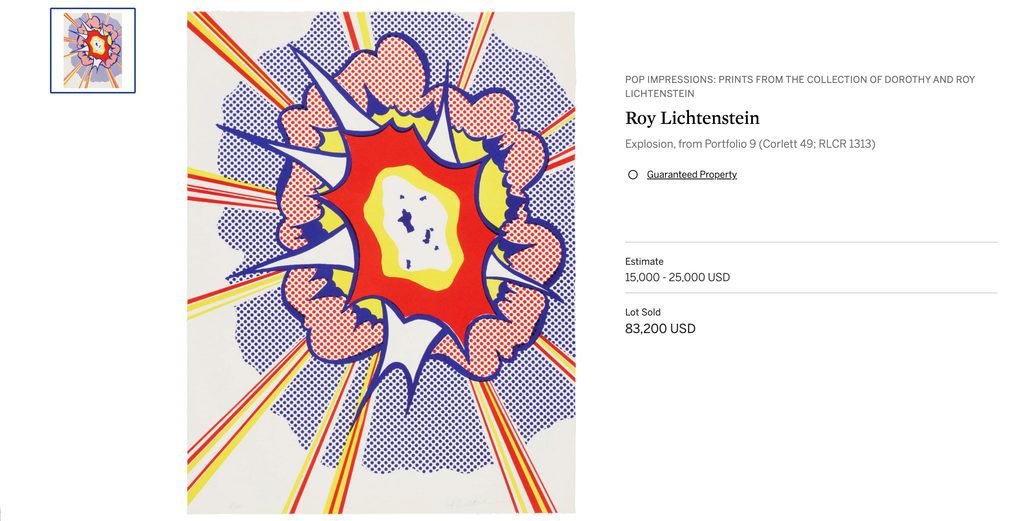
It’s also worth noting that auction results can often be lower than the prices charged by secondary market galleries and dealers. This is partly due to the differences in how artworks are bought and sold through these two channels. Buying at auction can involve greater uncertainty. Condition reports may be limited, opportunities to inspect works can be restricted, and purchases are generally made under auction terms that offer fewer opportunities for recourse if issues arise. There is also the competitive nature of bidding, which can result in a work selling either above or below expectations.
Buying through a reputable gallery or dealer offers a different experience. Collectors can generally expect more direct communication, assistance with condition and provenance checks, opportunities to ask questions and negotiate, and support with payment, shipping and logistics. Depending on the dealer and the transaction, there may also be greater scope to resolve issues after the sale. These services, along with the convenience of acquiring a specific artwork at an agreed price rather than competing at auction, can justify paying a premium. For this reason, directly comparing a gallery’s asking price with an auction hammer price doesn’t always provide a fair comparison.
Understanding Gallery and Dealer Pricing
Private sales offer another perspective. Many artworks are bought and sold privately through galleries and dealers, where pricing reflects factors such as the quality, provenance, rarity and desirability of each work. However, with private sale prices not always publicly available, having access to clear asking prices and comparable works can help collectors better understand the market and assess whether a price represents fair value.
A gallery’s business model can also influence its pricing. Traditional galleries face significant overheads, from maintaining physical exhibition spaces and employing staff to exhibiting at increasingly costly art fairs. These operating expenses can contribute to the final price of an artwork. Online-only galleries and dealers operate with a different cost structure, often benefiting from lower overheads and the opportunity to pass these savings on to collectors. As a result, online galleries and dealers can sometimes offer prices that sit somewhere between auction results and those of traditional bricks-and-mortar galleries. Of course, this isn’t always the case, and pricing ultimately depends on the individual business and the artworks being offered.
Prints, Editions and Unique Works
Prints and editions can be easier to value, particularly when works from the exact same edition are regularly appearing at auction and being offered by multiple galleries. With enough comparable sales, collectors can build a relatively clear picture of where the market sits.

Unique works are more difficult to compare. Typically, you would look at other works by the artist from a similar period or series, considering factors such as size, medium, subject matter and composition. In principle, as long as you understand the fundamentals and have access to reliable market data, assessing whether an asking price is reasonable can be relatively straightforward, particularly for established artists with an active secondary market.
So, How Do You Know You’re Paying the Right Price?
Comparing prices across galleries, alongside auction results and comparable sales, can help build a clearer picture of market value. As discussed, a gallery’s business model, overheads and the services it provides can all influence its pricing. However, beyond these factors, galleries and dealers will ultimately set their asking prices based on what they believe they can realistically achieve from a sale. This is why you might find the exact same print being offered by different galleries at significantly different prices. One gallery may have a particular collector in mind who is willing to pay a premium, while another may be more motivated to sell quickly or operate with lower overheads.
However, a high asking price doesn’t necessarily mean that is where the market sits. They are called asking prices for a reason. Unlike auction results, private sales are rarely publicly recorded, meaning you generally don’t know what a gallery actually sold an artwork for. Negotiation is common, and the final selling price can be considerably lower than the advertised price.
I often have lengthy discussions with sellers about this very point. Just because one gallery or dealer is advertising an artwork at a particularly high price doesn’t mean that it is selling, or will sell, for that amount. The art market is not subject to a single regulated pricing system, and galleries are generally free to set their own asking prices. That doesn’t necessarily make those prices representative of the wider market.

How I Personally Assess Pricing
When deciding what represents a good purchase price for a print or edition, I typically start by looking at recent auction results for the exact same work, or the closest comparable examples available for unique works. I compare the results and calculate an average, taking into account any significant differences in condition, provenance, edition type and the timing of each sale.
I then look at the secondary market to see what other galleries and dealers are currently asking for the same work. It’s important to remember that auction prices and gallery prices are not directly comparable, particularly when looking at hammer prices rather than the total cost to the buyer which can be difficult to remember if you are not regularly looking at the market like myself.
However, if a print is readily available through several galleries and regularly appears at auction, I would be cautious about paying significantly more than the recent market evidence suggests is reasonable. Personally, I like to find a pricing sweet spot somewhere between recent auction prices, including the buyer’s premium, and the average asking prices advertised by galleries and dealers. That would typically be the price I would aim for as a final purchase price after negotiation, taking into account the quality of the work and the service provided by the seller.
Of course, there are exceptions. Rare works, unique pieces or prints from very small editions that seldom appear on the market can command significant premiums. When opportunities to acquire a particular work are limited, buyers may understandably be willing to pay more. But for larger editions, such as Damien Hirst’s The Virtues, the process can be considerably more straightforward. With numerous auction results and several galleries and dealers offering works from the series, there is enough information available to compare prices and establish a reasonable market range.
The Importance of Price Transparency
Ultimately, collectors don’t need to become professional art valuers to make informed purchasing decisions. Understanding the difference between asking prices and achieved prices, comparing multiple sources and recognising what you’re paying for when buying through a gallery can go a long way towards helping you buy with confidence. A good dealer should also be willing to explain how they’ve arrived at their asking price and what makes a particular work worth considering.,At Bents Contemporary, we publish our asking prices openly online because we believe transparency is important. We want collectors to be able to compare artworks across the market, ask informed questions and feel confident about the prices they’re paying. The more information collectors have access to, the more accessible, informed and fair the art market becomes.