
0

Artist

Grayson Perry

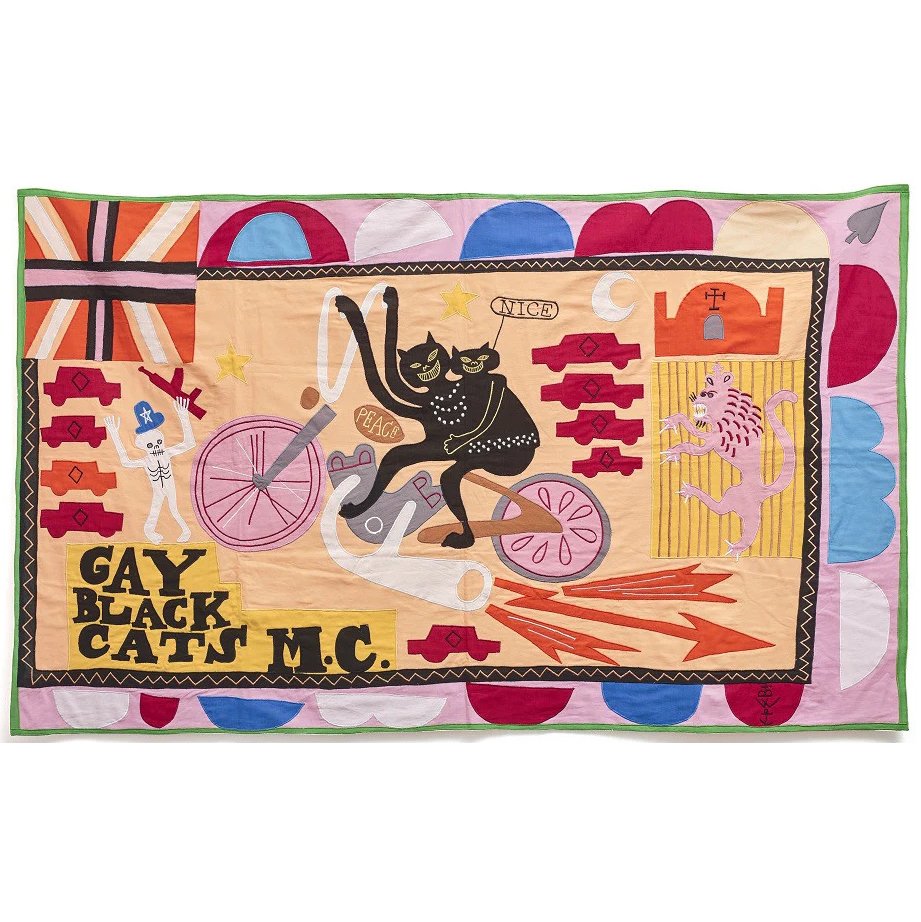
Grayson Perry, one of Britain’s most celebrated contemporary artists, is renowned for his brilliantly subversive exploration of identity, class, sexuality, and societal structures. Working across ceramics, tapestry, printmaking, and sculpture, Perry combines traditional craft techniques with incisive social commentary, creating works that are both visually striking and intellectually rich. Since winning the Turner Prize in 2003, he has become a defining voice in British culture known as much for his alter ego, Claire, as for his ability to translate complex social narratives into accessible, emotionally resonant art. His tapestries, in particular, have cemented his reputation for blending humour, satire, and empathy into contemporary storytelling.
Jonas Wood

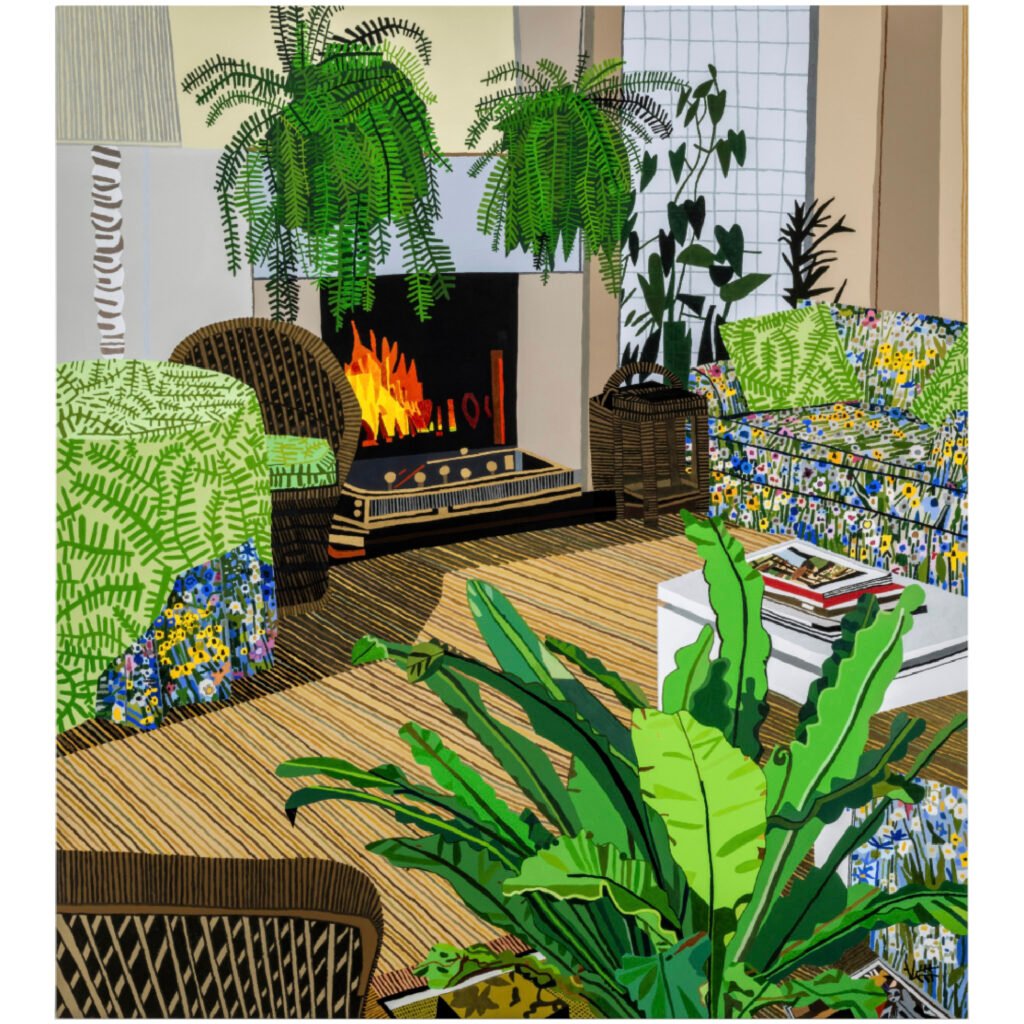
Jonas Wood is one of the most distinctive and sought-after American artists working today, celebrated for his bold, graphic paintings that merge the languages of contemporary art, pop culture, and personal memory. Known for his richly patterned interiors, lush botanical scenes, and intimate portraits, Wood reinterprets everyday subjects through a vivid, flattened aesthetic influenced by Modernism, Japanese printmaking, and the visual clarity of digital imagery. His compositions are built from meticulous drawing, collage-like construction, and a deep engagement with colour, creating works that feel both familiar and strikingly contemporary.

Peter Doig

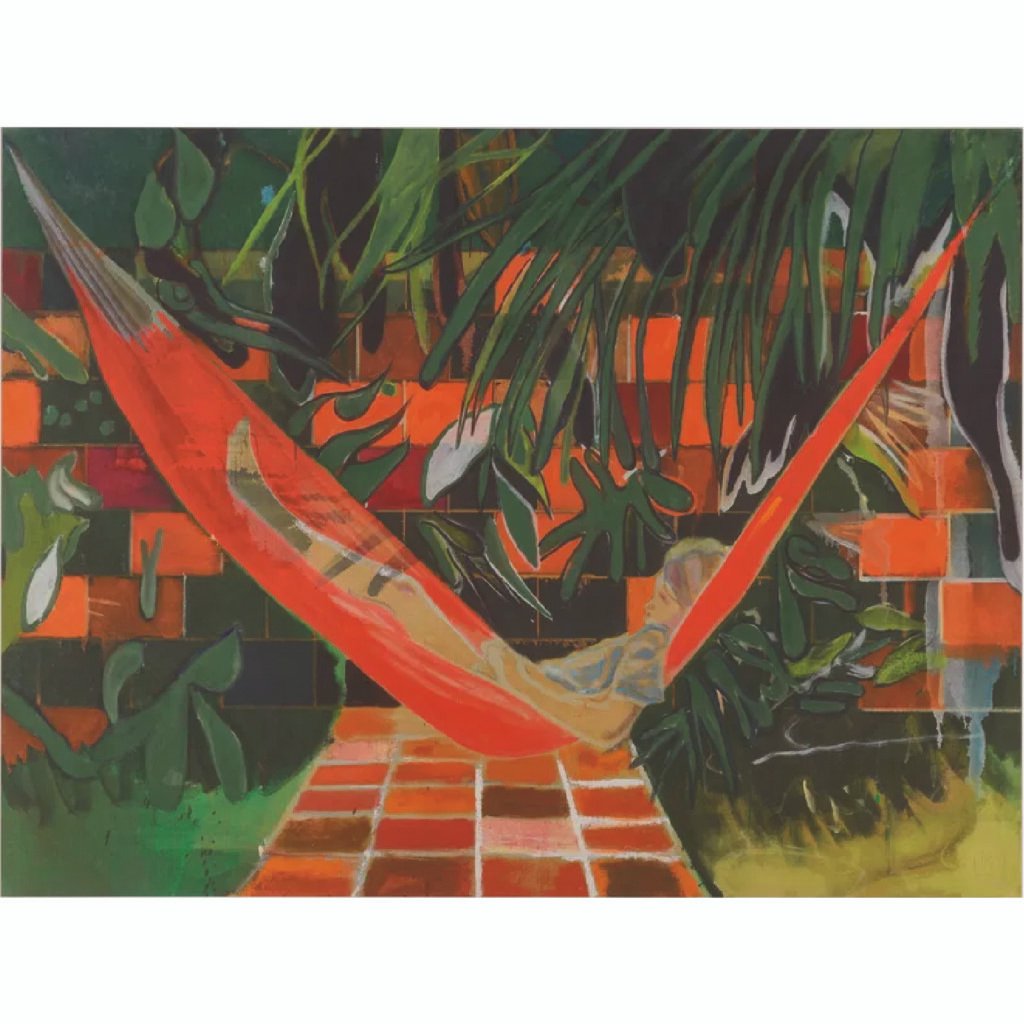
Peter Doig, one of the most celebrated British painters of his generation, is renowned for his atmospheric and dreamlike landscapes that merge memory, imagination, and observation. Drawing on influences ranging from photography and cinema to his experiences living in Canada, Trinidad, and the UK, Doig creates compositions that feel both familiar and otherworldly. His use of luminous colour and layered surfaces has made him a defining figure in contemporary figurative painting.

Bob Dylan

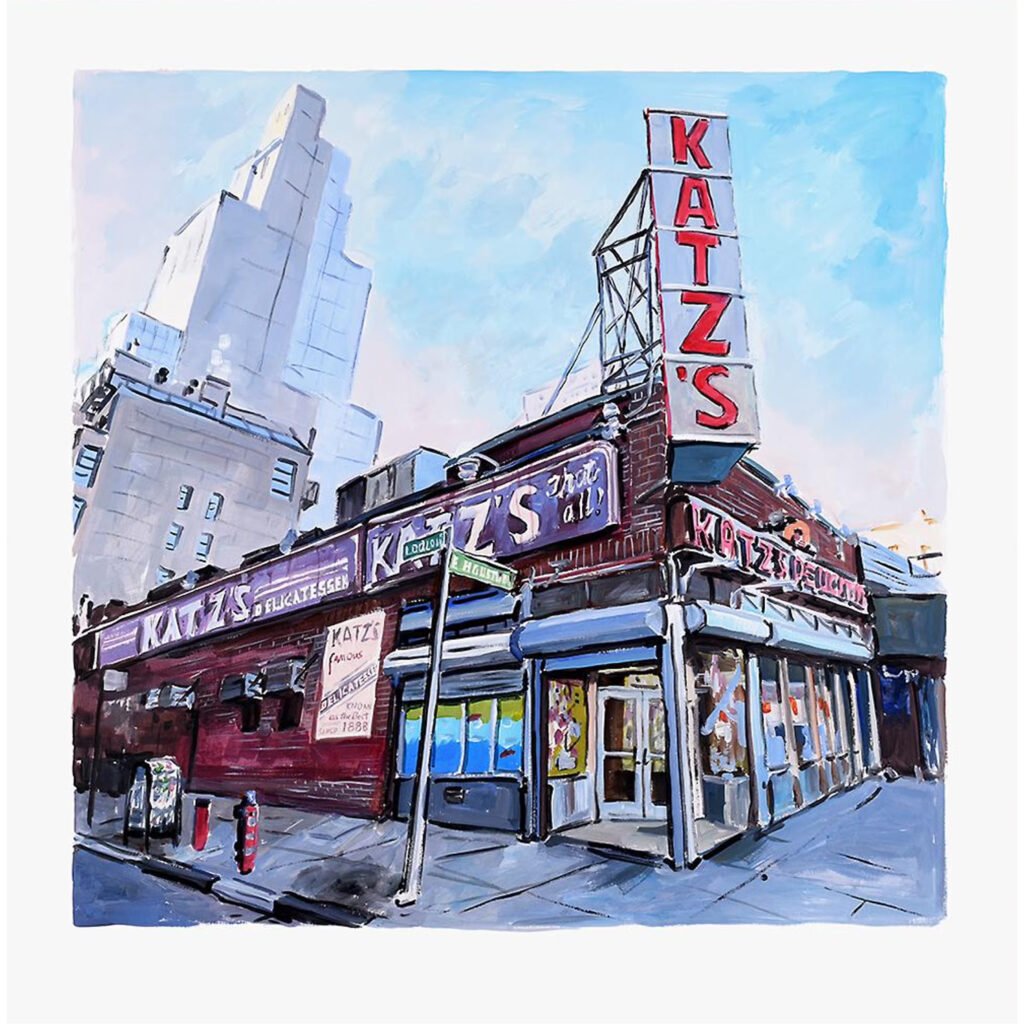
Bob Dylan, one of the most influential cultural figures of the 20th and 21st centuries, has built a remarkable parallel career as a visual artist. Best known globally for his groundbreaking contributions to music and literature, including the Nobel Prize in Literature. Dylan has also developed a distinctive artistic practice spanning drawing, painting, and printmaking. His visual works often depict urban scenes, portraits, and American landscapes, rendered with bold contours, expressive colour, and a raw immediacy that echoes the storytelling and observational clarity found in his songwriting. Far from a celebrity sideline, Dylan’s art has gained serious institutional recognition, with major exhibitions held internationally and a growing audience of dedicated collectors.

Julian Opie

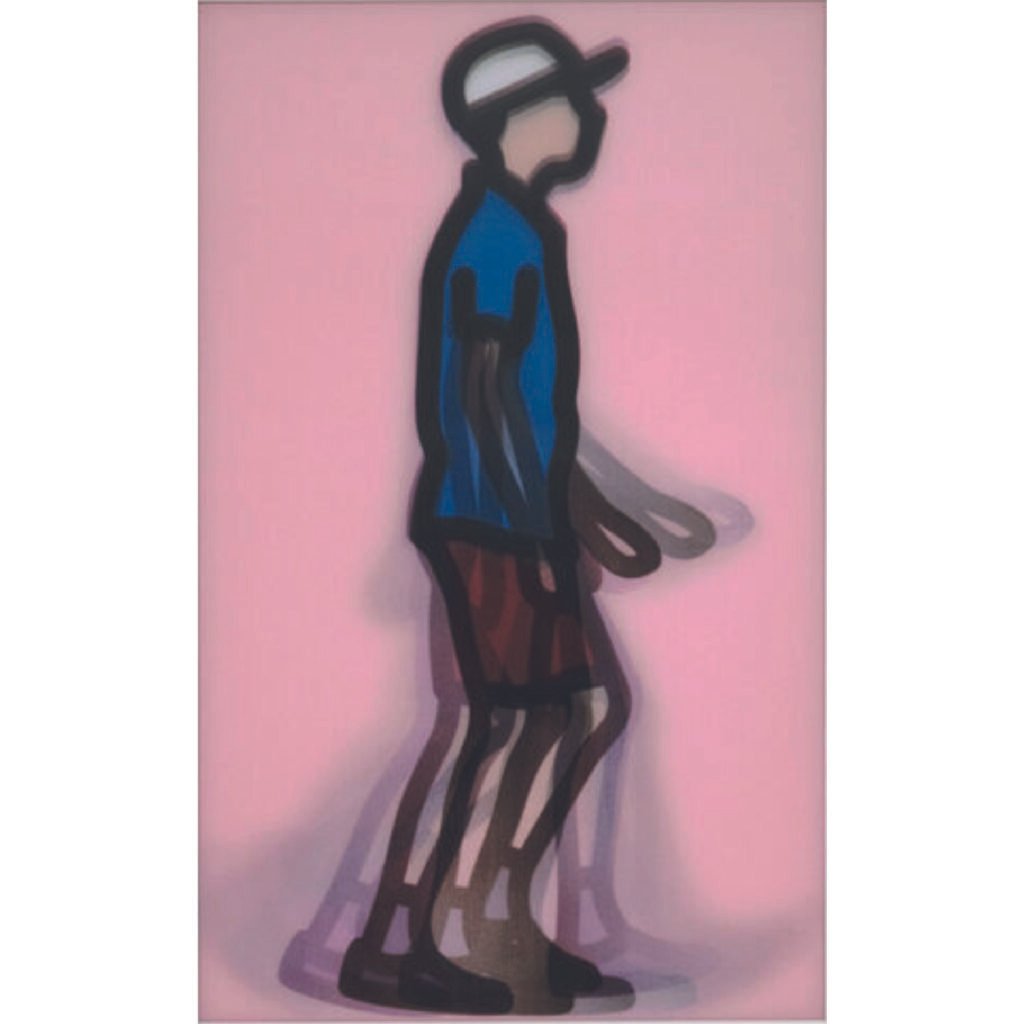
Julian Opie is one of the most distinctive and influential British artists of his generation, celebrated for his bold reduction of the human figure and landscape into crisp, iconic forms. Emerging in the 1980s as part of the New British Sculpture movement, Opie has built an instantly recognisable visual language that blends minimalism, pop, and cutting-edge digital technology. His stylised portraits, walking figures, and illuminated landscapes sit at the intersection of fine art and graphic design, demonstrating a masterful ability to distil complex subjects into elegant lines and flat planes of colour. Today, Opie’s work is exhibited and collected internationally, and his aesthetic has become a defining presence in contemporary visual culture.

Ian Davenport

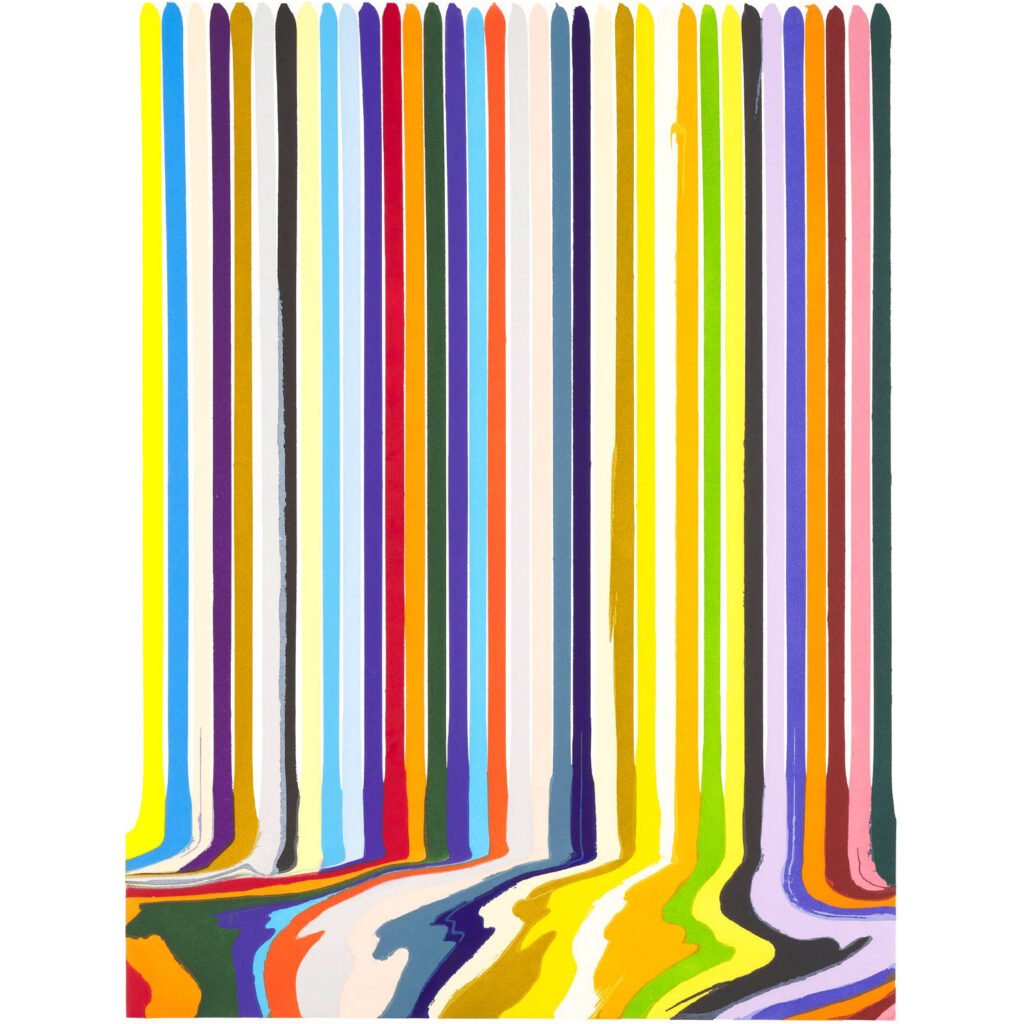
Ian Davenport is one of the leading figures of contemporary British abstraction, celebrated for his meticulous exploration of colour, gravity, and process. Emerging in the early 1990s as part of the generation of artists associated with the Young British Artists (YBAs), Davenport quickly distinguished himself through a disciplined, process-based approach that contrasted with the conceptual shock tactics of many of his contemporaries. His practice centres on controlled pours of paint lines, cascades, and pools of colour that gather at the base of the canvas, resulting in works that are both technically precise and visually immersive. Through repetition, rhythm, and chromatic experimentation, Davenport transforms simple gestures into complex, harmonious compositions that continue to evolve in scale and sophistication.

Peter Blake

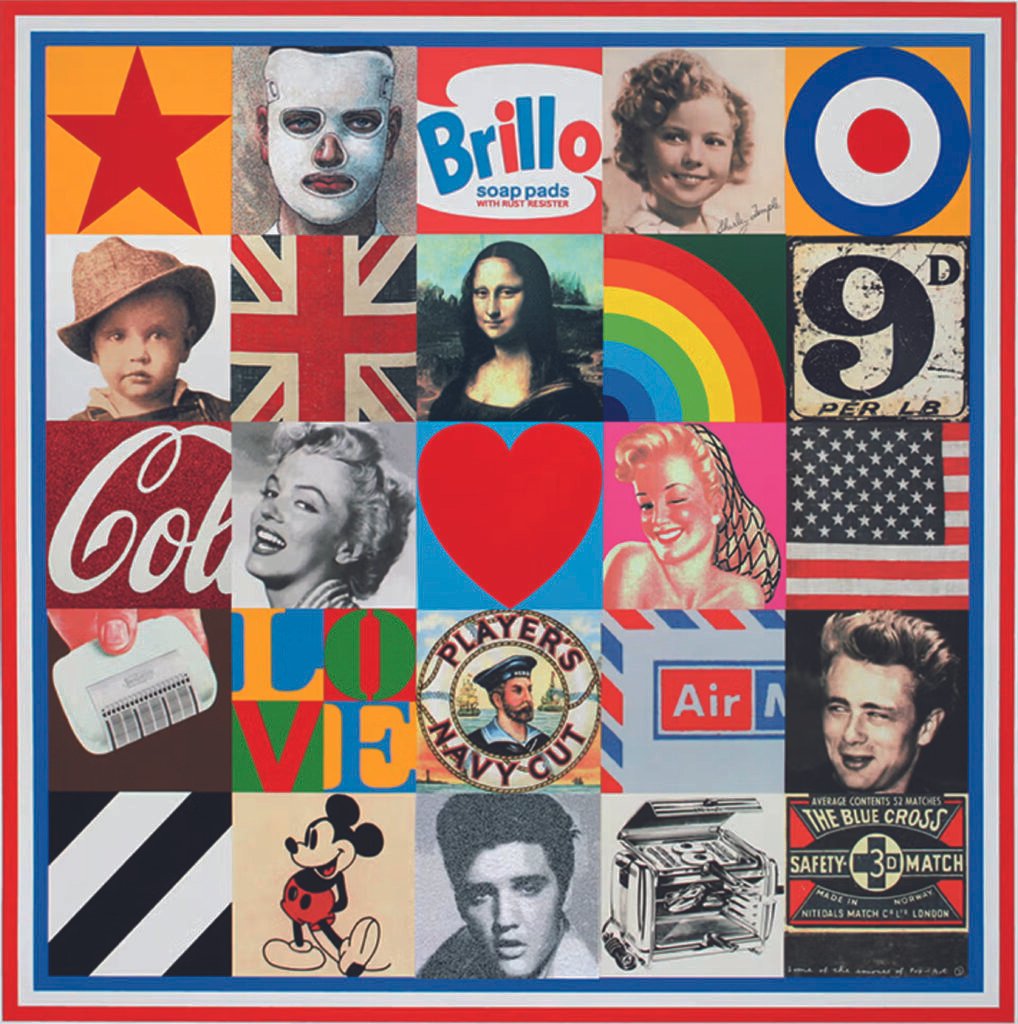
Peter Blake, the British painter and printmaker, is often referred to as the “Godfather of British Pop Art.” Rising to prominence in the late 1950s and 1960s, Blake became internationally recognised for his bold, colourful imagery that combined elements of popular culture, advertising, and childhood nostalgia. His most iconic contribution remains the co-creation of The Beatles’ Sgt. Pepper’s Lonely Hearts Club Band album cover, a work that encapsulates the spirit of Pop Art and cemented his place in cultural history. Beyond this, Blake’s practice spans painting, collage, and printmaking, often featuring motifs drawn from music, sports, literature, and everyday life.

Thierry Noir

Thierry Noir, the French-born, Berlin-based artist, is celebrated as one of the first painters to transform the Berlin Wall into a canvas for public art. Moving to Berlin in the early 1980s, Noir began painting his now-iconic bright, cartoon-like faces and bold outlines directly onto the Wall, turning a symbol of oppression into one of creative defiance and hope. His simple, playful imagery carried powerful political resonance, helping to inspire the city’s burgeoning street art movement and leaving a lasting cultural legacy. Today, his works can be found in collections and exhibitions worldwide, and he remains a pioneering figure in the history of urban art.

Lucian Freud

Lucian Freud, the German-born British painter, is regarded as one of the greatest figurative artists of the 20th and early 21st centuries. Renowned for his uncompromising portraits and nudes, Freud’s work is characterised by its psychological intensity, raw physicality, and extraordinary painterly technique. His thick, expressive brushwork and unflinching realism captured the truth of his sitters. Often friends, family, or lovers, laying bare not only their physical presence but also their inner lives. His career spanned over seven decades, during which he became a central figure in post-war British art and an enduring influence on generations of painters.

Marc Quinn

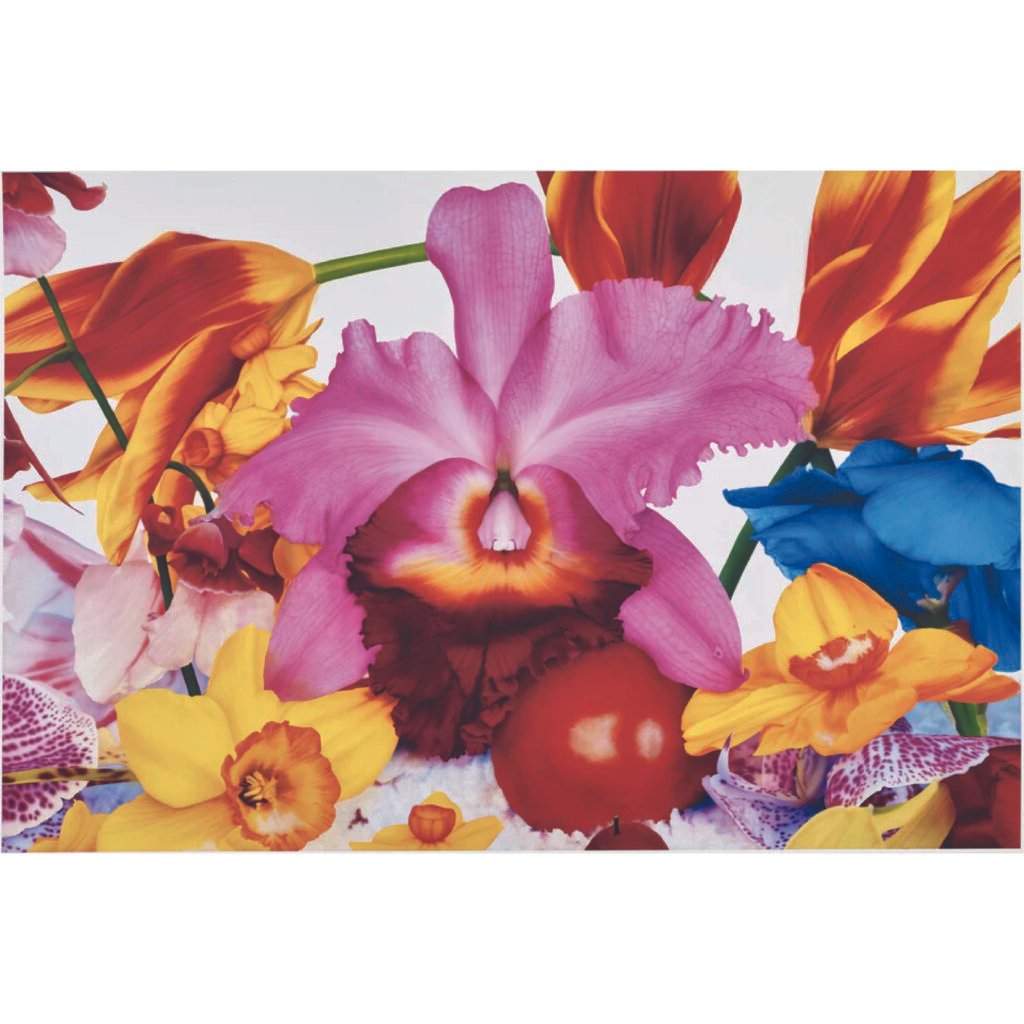
Marc Quinn, a leading contemporary British artist, is celebrated for his innovative exploration of the human body, identity, and the relationship between art and science. Born in 1964, Quinn first rose to prominence in the early 1990s as part of the Young British Artists movement. His practice spans sculpture, painting, and mixed media, often confronting themes of beauty, mortality, and transformation. From his iconic Self series, created using his own blood, to his celebrated Flower Paintings and Sculptures of Alison Lapper, Quinn’s work pushes boundaries while remaining deeply rooted in the exploration of what it means to be human. His bold use of materials and powerful conceptual approach have established him as one of the most influential British artists of his generation.

Name
E-mail *
Artwork
Message

0
    My Basket
    You have no items in your shopping basket.Return to Shop
    Scroll to Top