
0

Artist

José Parlá

José Parlá, the Cuban-American contemporary artist, is celebrated for his dynamic fusion of abstract painting, calligraphy, and street art. Rooted in his early experiences as a graffiti writer, Parlá developed a distinctive visual language that combines layered mark-making, gestural brushwork, and richly textured surfaces. His canvases often resemble urban walls layered with years of history, memory, and storytelling, creating works that speak to both personal narratives and collective cultural experience. Today, Parlá’s works are exhibited in major international institutions and collected by prominent private collections worldwide.
James Rosenquist

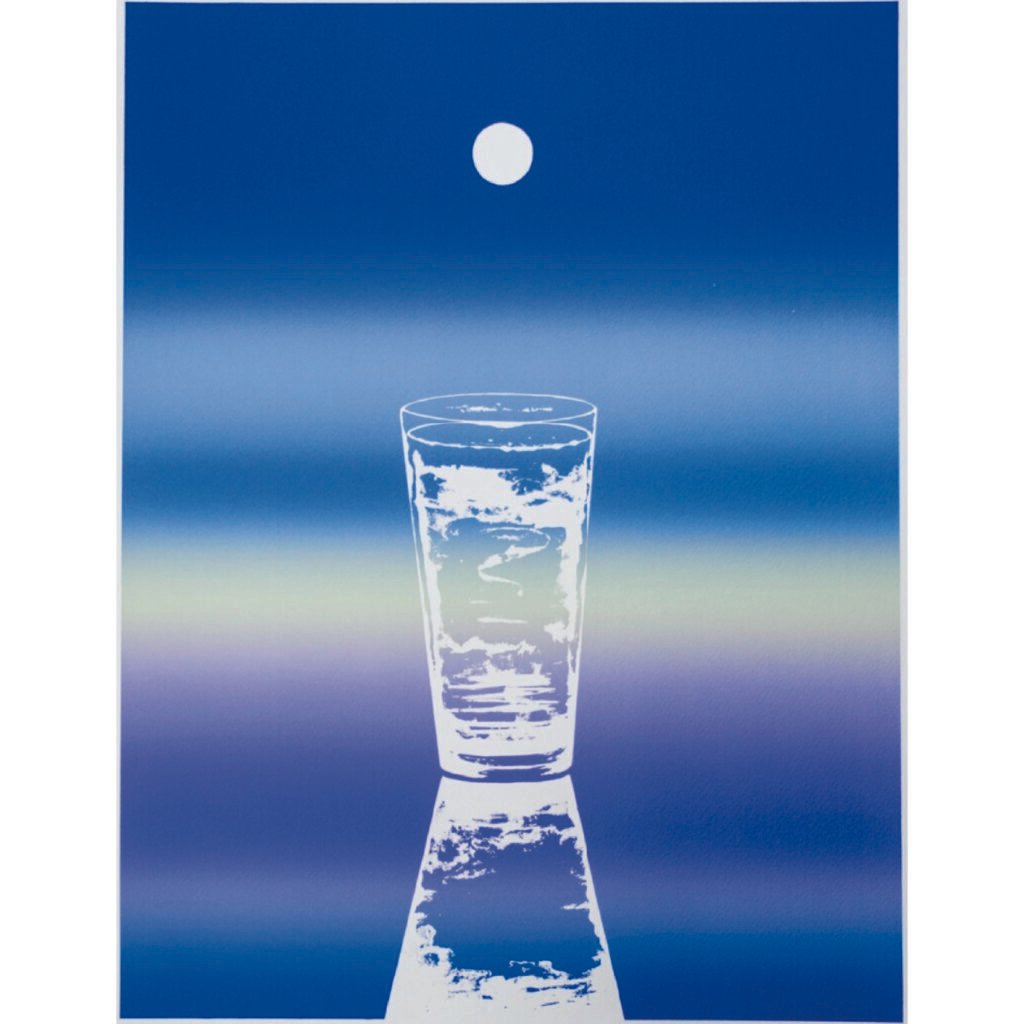
James Rosenquist, the American painter and printmaker, is recognised as one of the leading figures of the Pop Art movement. Rising to prominence in the 1960s alongside Andy Warhol and Roy Lichtenstein, Rosenquist brought a distinct perspective to the movement, drawing on his early career as a billboard painter. His monumental canvases combined fragmented images from advertising, mass media, and popular culture, creating striking juxtapositions that reflected the consumer-driven world of post-war America. With his bold compositions and monumental scale, Rosenquist helped to redefine painting for a new era, and his works are now housed in major museum collections worldwide.

Gerhard Richter

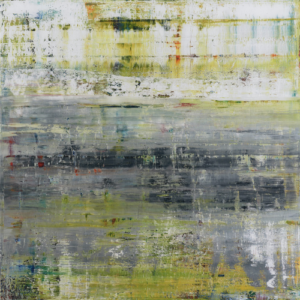
Gerhard Richter, the German painter, is widely regarded as one of the most important and influential artists of the post-war era. Known for his extraordinary versatility, Richter’s practice spans photorealistic painting, abstract canvases, overpainted photographs, and glass installations. His ability to move seamlessly between realism and abstraction has challenged the very definition of painting, while his works consistently probe questions of perception, memory, and truth. With a career spanning more than six decades, Richter has left an indelible mark on contemporary art, and his works are represented in virtually every major museum collection worldwide.

George Condo

George Condo, the American contemporary artist, is celebrated for his distinctive “artificial realism” a term he coined to describe his fusion of traditional European painting techniques with contemporary subjects and surreal, often grotesque figures. Rising to prominence in the 1980s New York art scene, Condo has developed a unique visual language that blends influences from Old Masters, Cubism, Pop Art, and street culture. His distorted yet psychologically charged portraits challenge notions of beauty, identity, and perception, earning him recognition as one of the most original and influential painters of his generation. His works are represented in leading museum collections worldwide and have achieved strong demand in the international art market.

David Hockney

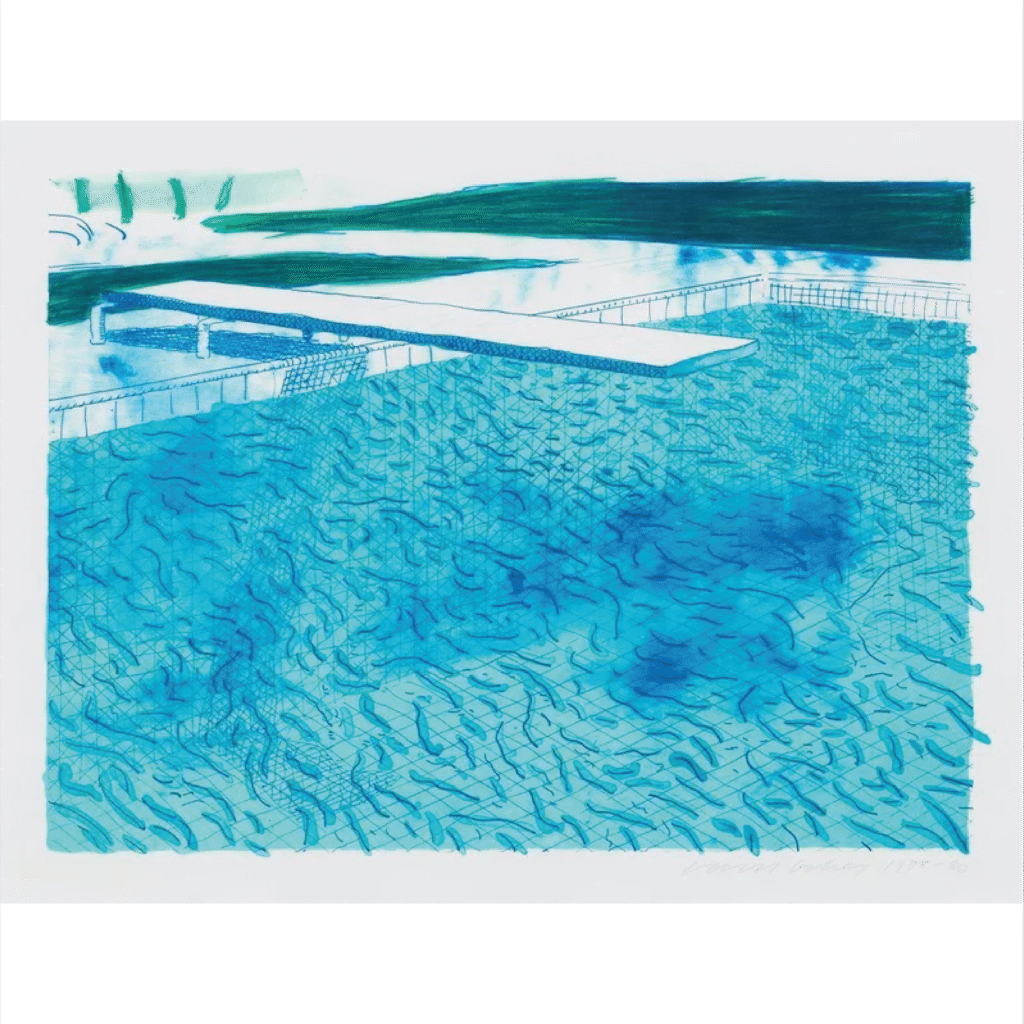
David Hockney, one of Britain’s most celebrated artists, is renowned for his vibrant use of colour, innovative exploration of perspective, and ability to capture both the intimacy of personal life and the expansiveness of landscape. Rising to prominence in the 1960s as part of the British Pop Art movement, Hockney developed a highly recognisable style through his iconic swimming pool paintings, double portraits, and Yorkshire landscapes. His practice spans painting, drawing, photography, and digital media, reflecting his restless curiosity and embrace of new technologies. Today, Hockney is regarded as one of the most influential and versatile artists of the 20th and 21st centuries, with works held in major collections worldwide.

Christopher Wool

Christopher Wool, the American contemporary artist, is best known for his bold, text-based paintings that use stencilled letters, stark black-and-white contrasts, and fractured language to challenge ideas of communication and meaning. Emerging in the 1980s New York art scene, Wool quickly established himself as a leading voice in postmodern painting, blending influences from graffiti, minimalism, and abstraction. Alongside his word paintings, he has also produced gestural abstract works, photographs, and prints, each reflecting his ongoing interest in process, repetition, and the limits of visual language. Today, his works are held in major museum collections worldwide and continue to achieve significant results on the international art market.

Brian Clarke

Brian Clarke, the British artist celebrated as one of the world’s leading stained glass artists, has redefined the possibilities of glass as a medium in contemporary art. Known for his monumental architectural projects as well as smaller-scale works, Clarke’s practice combines modernist abstraction with traditional craftsmanship, creating luminous compositions that transform light and space. Beyond stained glass, he is also an accomplished painter and designer, with works spanning collage, drawing, and set design. His innovative approach has placed him at the forefront of integrating art into architecture, with projects installed in cathedrals, corporate headquarters, and cultural landmarks worldwide.

Alexander Calder

Alexander Calder, the pioneering American sculptor, is celebrated for revolutionising modern art with his invention of the mobile kinetic sculptures that moved with air currents to create ever changing forms. Active throughout much of the 20th century, Calder also produced monumental stabiles, vibrant abstract paintings, and works on paper, each defined by a sense of play, balance, and movement. His use of bold colours and organic shapes connected modernist abstraction with a joyful immediacy that continues to captivate audiences worldwide. Today, Calder is regarded as one of the most innovative and influential artists of his generation, with works represented in major museums and public spaces around the globe.

Invader

Invader, the anonymous French street artist, is internationally recognised for his pixelated mosaics inspired by the 1970s video game Space Invaders. Since the late 1990s, he has installed thousands of these tile-based works in cities across the world, turning urban spaces into playful canvases and building a global “invasion” that blurs the line between street art and digital culture. His instantly recognisable style merges nostalgia for early video games with a sharp commentary on technology, urban life, and the spread of visual culture. Today, Invader’s works are held in major collections, and his limited edition mosaics, prints, and sculptures are among the most in-demand works in the contemporary street art market.

Shepard Fairey

Shepard Fairey, the American street artist, graphic designer, and activist, is best known for his iconic Obey Giant campaign and the Barack Obama Hope poster, which became one of the most recognised political images of the 21st century. Emerging from the skateboarding and punk scenes in the late 1980s, Fairey developed a bold graphic style rooted in propaganda aesthetics, blending striking imagery with powerful social and political messages. His works often address themes of power, inequality, consumerism, and resistance, making him a defining figure at the intersection of art and activism. Today, his murals, prints, and original works are collected worldwide and exhibited in major institutions, cementing his influence as both an artist and cultural commentator.

Name
E-mail *
Artwork
Message

0
    My Basket
    You have no items in your shopping basket.Return to Shop
    Scroll to Top